
Hello! And welcome to my Web site. I am a devoted fan of mystery fiction and proud to join the ranks of mystery authors. Please take a look around and explore the links below. "Summer rules" - help yourself.


What's New?
I'm delighted to report that I've cleared the backstretch on my new Nantucket Mystery novel with Chapter 25 and I'm heading for home. My personal goal is to start shopping a completed manuscript by March 2010. I'm going to have hard time explaining this one to my mother - it's like my chocolate preference: rather dark. The working title of the new book is The Witch of Wauwinet and I invite you to click here and read the sample first chapter. I have another secret title that I'm not ready to share yet, it's kind of a superstitious thing with me and I don't argue with it. I'm keeping the other title as a backup because I seriously doubt there is any publisher in the world who will let me use the word Wauwinet in a title since no one outside of a Nantucketer could pronounce it. That, and Siasconset. Ah, well, we'll cross that bridge when we get there!

Fresh Fiction - and it's free!
The Haunting of Dalton Primble
A Muskoka Ghost Story told with love.
Click here and view the 2006 Canadian Issue
of Spinetingler Magazine!

Pastures of Heaven
First in the Forgotten Mythology Series
Click here and view the 2008
Summer Issue of Mysterical-e!


Recently, I was interviewed by the fine folks at the Pittsburgh Writer's Project and I thought I'd share.

1. How did you get your start as a writer?

I've always been a storyteller and I think that's where you start. It's something you're born with, an inner compulsion to share information in a magical way. Sometime you use humor, sometimes its horror, whatever works best to get the point across. My mother saved a note from my Kindergarten teacher saying that I didn't like to work in clay because I knew I'd have to put it away. I preferred to gather the other kids around and tell them a story. I only wish my teacher had written down what story I felt compelled to tell at six years old!

My parents didn't appreciate what they had in me as a child - my Dad called me the factoid kid. Looking back on it now I know I was gathering and sorting information but not coming from a writerly background I didn't know what to do with it other than to win at Jeopardy every night before dinner. My high school counselor didn't really have anything to offer me either: he asked me what I wanted to be, I said 'a writer' and so they sent me out to earn a degree in Journalism. That was helpful training but after two years I realized that wasn't what I wanted to do - reporting - I wanted to be a writer.

I tried writing in college but I discovered I didn't have anything real to say. I hadn't experienced enough life yet. So I deliberately put it down and went out into the world to earn a living. I lived in Boston, I lived in Texas, I met a lot of wonderful people and I drank a lot of beer. I sort of put the idea of writing away and forgot about it until one day when a very good horse friend of mine died and I suddenly found myself standing in the middle of the yard actually working out a poem and it was good, really good. I remember standing there amazed and remembering that I was actually supposed to be a writer and not a cowboy. It was like I'd forgotten it but that's when I knew I was ready and it was time to try, and that was eighteen years ago.

2. How does a writer decide whether to pursue mystery writing as opposed to memoir, fiction or nonfiction? Any guidelines?

That's easy; the story will define the category. I'm writing mystery fiction right now because my Nantucket storyline is mysterious. It's also romantic, which makes me think I may have to bridge a couple of categories which is fine by me as long as people read it! But I've also written some short stories, one of which is pure 'literary' fiction and the other stepped over the edge into science fiction/fantasy/fact. I let the story take me where it wants to go. My job is to translate what I find as best I can and bring that information back to share with my readers.

My only guideline would be to make damn sure you want to do it. Writing isn't part-time, it's a lifestyle and you will need to separate yourself from other human beings for great swaths of lonely time and do a lot of unrecognized work for every tiny bit of money or seconds of temporary, fleeting fame. If you don't absolutely love the act of writing, find some other way to spend your time. If you do love it, you already know what I'm talking about.

3. What is your favorite part about writing? Your least?

It's funny, but my favorite part of writing is also the hardest - when I'm staring into a blank new chapter and I have to come up with some way to fill it. At first I get a little nervous, especially 200 pages in, thinking 'all this work and now I'm stuck!' but I've learned that if I stick with it and give it time, and noodle around with my characters, eventually they'll give me something I can use, and usually it's something completely surprising, even to me, and I'm writing it.

My least favorite part is marketing even though I'm reasonably good at it. It just seems to me like such a waste of time, spending precious hours crafting query letters, tracking down and contacting agents, outlining a synopsis, maintaining a website, writing a blog, all this wonderful time I would rather spend writing! But that's a big part of the business and if you want to get published you have to put in the time and build the relationships. That's how it works.

4. Do you ever experience writer's block? If so, how do you work through it?

I don't have time for writer's block. I still work my day job and it's strenuous so that by the time I get the chance to sit down on the weekend to write, I don't want to waste a minute of it. Maybe if I was writing full time it would be different?

I'm not saying I don't run into difficult bits. I'm in the middle of one, now. But I've learned you get through it just the same way you get through anything: you work at it. Jim Morrison said the only way out was through and he was right. Sure, sometimes what I'm drafting is crap, but then I work at it and it gets less crappy, and if I keep at it, it can even turn into something pretty good. Persistence is the key.

The only time I feel really blocked is when I tried to force a character into an action or situation or direction it didn't want to go. Once I did that the narrative voice dried up. I've learned to quiet my mind and slow down to think about the direction of my plot. Once I figured out what was wrong - and it's usually because I've been trying to get somewhere using the wrong character to get there - the narrative opens up and starts flowing again.

Another thing is don't make promises you can't keep. I don't like writing with my back against a deadline although I've done it. I've learned to schedule enough time and keep to my discipline to get it done on time. That removes a lot of the stress and pressure, for me. Like you heard when you were a kid: do your homework.

5. When did you get involved with the Pittsburgh Chapter of Sisters in Crime (SINC)?

Three years ago, and I'm glad I did. It surprises me now that it took so long to do it but I was already a member of a creative writer's critique group and I didn't think I needed to join another group. I know now that thinking was wrong. Contacts are everything in this business and the overlap between groups is very powerful.

Sisters in Crime (SinC) is a very directed and dedicated group of mystery enthusiasts. Our local chapter is a great group and we're getting a ton of fun projects out the door in addition to supporting some terrific nationally recognized authors. I've enjoyed the heck out of serving as President and I've been delighted to see the membership grow - that tells me we're doing something right. I invite anyone out there - mystery fan or not - to visit our website www.pghsinc.com or attend a meeting to see what we're about. Meetings are usually held on the first Monday of every month although we do have breaks in the monthly timetable to host workshops, picnics, or holiday lunches.

Let me mention another terrific local group: PennWriters. Here's another group I should have joined years ago, go figure. PennWriters just hosted a terrific conference that introduced me to a new level of across the board professionalism that was truly eye-opening. I plan on exploring this new direction over the next few years.

While we're on the subject of groups, let me throw in a plug for volunteerism. I am constantly relearning the tremendous benefit volunteering your time has to offer. When you spend time with other writers, agents, booksellers, librarians, and publishers you never know what you will learn that will turn out to beneficial to your work. I volunteered at two recent events and I met a ton of newly published writers at the first (which told me market direction) and spent hours with a lovely former homicide detective at the second (which helped me rethink my protagonist and made him a better character). I have three words for anyone thinking about volunteering: Don't be shy. Just do it. Sorry, is that six words?

6. What are you working on now?

I just finished Chapter Eighteen of my new Nantucket Mystery. The outline is good to go and I've projected the length to 22-24 chapters, so I'm in good shape. I really like this story, even as difficult as the middle bit has been and I'm very excited to get it done and send it out to agents and publishers to hear what they think of it. This one has some dark edginess to it, there's no way it qualifies as a 'cozy' but I never suggested that tag to my writing anyway. Like I've said, the writing takes me where it wants to go but I am going to have a hard time explaining this one to my mother.

I'm also toying with an idea for a new short story. Because my novels take me so long to write, I generally keep a short story or two going at the same time, just for those days when I need to work on something smaller to stay fresh. Short stories are fun little sidebars because they usually come from a phrase I overhear - Table for One? - that becomes the title and then I flesh it out from there. Since the stories are usually around 8,000 words, they're relatively quick to finish. Two of my stories are available on my website: www.marthareed.com, and I invite everyone to stop by and take a free read. There's an email link so please tell me what you think, I'm always looking for input.

7. What's your advice to writers who are trying to get published in this difficult publishing environment?

Talk to everyone, read everything about it, and then make up your own mind. Make sure you know exactly what you're getting yourself into because you are going to have to live with it for a long time. Agents, publishers, competing writers, and fans have long memories and anything that gets published to the Internet stays out there forever. Make very sure you mean exactly what you say.

Start small. Write some stories and then research your marketplace. You're going to have to do the homework and chances are you'll get rejected anyway. Get used to it and never, ever take rejection personally. Agents and editors are psychotically busy people running on a great deal of caffeine but keep to your course. When someone criticizes your work, and they will, thank them and learn from it; it will make your next story even better. Persistence will get you published.

Like everything else, the publishing world is in flux, again. Big traditional houses are battling small presses and everyone is fighting Amazon and Kindle for Internet sales. Writers are caught in the middle, but do the market research and choose your battle lines. Publishing advice is all over the board and no one has a crystal ball so make your choice and be prepared to live with it. Personally, I believe that true talent will rise to the top no matter which media you choose but I'm an optimist.

8. What advice would you impart to aspiring writers?

Never give up. Listen with a clear mind to every remark and distill that information for the benefit of your work. Writing isnŐt about ego, money, or awards, it's about story. If you stay true to the story, you will be given more stories to tell.

Be thankful when someone offers you criticism; at least they're interested enough to give a damn. Learn from everything and everyone. Don't close your mind to experience, you never know what you might need to use next, even the unpleasant bits.

Don't be afraid to ask for help or say 'I have no idea' but follow it up and track down the correct answer. Talk to strangers. Practice courage, I promise it will get easier. Don't be afraid to ask 'Why?' You might be surprised by the answer. Challenge yourself before you challenge others.

Ignore people who say you can't do it even if this person is yourself.

Read Renee Maria Rilke Letters to a Young Poet; Anne Lamott's Bird by Bird, and Stephen King's On Writing until the pages fall out and then buy yourself fresh copies.

Take a lot of notes. Work on some part of your writer's life every day. A page a day is a manuscript by the end of one year. Be honest with yourself and let that honesty show through your writing. If you can't work on your manuscript after your day job, get up an hour earlier and work on it before your day job. Turn off the TV or better yet, junk your set. It's a complete waste of time and what's going on inside your head will be infinitely more interesting than anything you might see on the screen.

Find out what you want to say and then say it. If you get stuck on a plot point, seek out a professional and ask them about it; most pros will be delighted to share their experience and if they aren't, move on and ask the next one. Never take 'no' for an answer. A 'no' actually means 'yes' because a 'no' will block you from moving in the wrong direction and bump you toward the direction you were originally meant to follow anyway.

When you meet someone impossibly difficult, give thanks. It's a blessing and an opportunity. Someone or something made them that way and if you can figure out what that was you'll have a story.

Start NOW. Jump in recklessly with both feet and shout: Geronimo! It really doesn't matter where you start because it will all change in the editing anyway. Getting started is half the work, editing is the other half. Prepare yourself for that. Don't get rushed, let the story tell itself. You can always earn the money you need doing something else. The story will necessarily involve your life experience and you may not have had the experience the story needs yet; fear not, walk on, it will come and in the end you will be delighted. Don't be afraid to chance a mistake. Thomas Edison invented a thousand light bulbs that failed but the one that worked changed the world.

Even if you never earn a dime for all your efforts you are still better off than you would have been if you never tried. Figure out a way to tell your story and then tell it, and tell it again. Amaze your friends. Shame your mother. She'll get over it and secretly she'll be pleased when you're listed in the Library of Congress.


Links
The Mary Roberts Rinehart Pittsburgh Chapter of Sisters In Crime. Come join an active community of like-minded spirits! SinC PGH meets the first Monday of every month to discuss mysteries - and more!
The Working Stiffs Blog - Where Crime Writers Talk About Life, Work, and Murder. Always interesting and sometimes a hoot! Bookmark this site for a window into the world of creative mystery writing!
SINC - Sisters In Crime. Explore the web site of this dynamic organization. If you love mysteries, consider a membership and join the mystery community.
Aspinwall Book Shop. Support Your Local Independent Bookseller!
Mystery Lovers Corner. Need a good mystery 'fix' and don't know where to turn? Visit this site to find hot new releases, hidden gems, and reviews by Dawn Dowdle.
Spinetingler Magazine embraces the future through e-publishing - featuring short stories, reviews, interviews, and profiles of emerging writers.
Cozy Library is designed for readers who enjoy a good cozy read and features insightful reviews by Diana Vickery.


Author's Bio
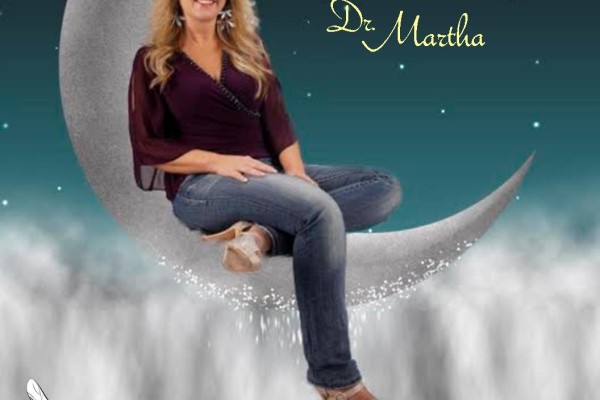
Martha Reed is a native Pittsburgh author who is currently developing her Nantucket Mystery series. She is Past President and current Treasurer of The Mary Roberts Rinehart Chapter of Sisters in Crime (SinC), is a member of PennWriters and shares the joys of the writing life on The Working Stiffs blog. Martha works a challenging day job as Project Manager in Product Development for a local mutual fund company and loves the madness, and spends her spare time and limited discretionary income renovating her 125-year old Victorian home. She loves travel, big jewelry and good coffee and delights in the never-ending antics of her extended family. Her fiction has appeared in literary and Internet magazines and her poetry online.


Click here to send me an email. I welcome your comments!